









|
Roots, Branches and the Celtic Connection |
|---|
|
|
|
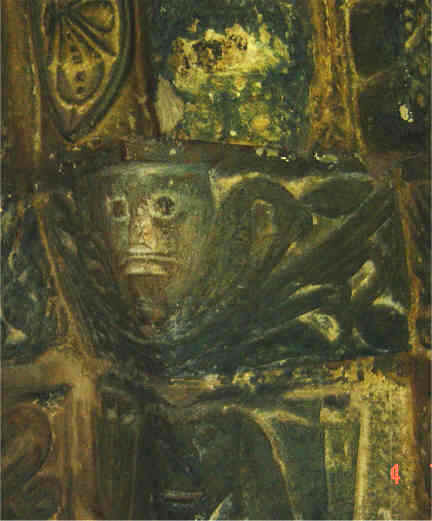
Roots and Branches In the abbey ofSt. Denis, France, a fountain with an oak leaf mask (now in the Musee ¢ Lapidaire of St. Denis) bears the inscription Sylvanus dated c 1200 A.D.but possibly added at a later date. In Mundaya, Istanbul is a mask of Okeanus, god ofthe sea and satyr. Western Paganism defines the Green Man as the symbol of godhood within the maleas well as the symbol of life, death and rebirth (a theme reminiscent with the story of Christ) and its relationship withthe transcendent life-force, the goddess, the female expression of the godhead. RabanusMaurus an 8 th c theologian said the Green Man represented the sins ofthe flesh, lustful wicked men doomed to eternal damnation. This seems to be along way from the meaning to those who used his image 6 centuries previously. Aboveare some early accounts of the Green Man and as can be seen from the dates,foliate head carvings ( the name 'Green Man') is a recent term has been with usfor a long time and can be found in many of our old buildings especiallychurches but also in other buildings. Many of the Green Man carvings date fromthe 14th - 15th century A.D. tailing off somewhat over subsequent centuries tobe revived by the Victorians where they incorporated foliate head designs intochurch restorations as well as other building schemes.
TheCeltic Connection? The Celtic cultures ofpre-Christian Europe by 400 BCE were producing foliate heads from stone, thefoliage sprouting from the mouth. It is thought by some scholars these could belinked to tree worship. Many Celtic Gods and Goddesseswere associated with life, death, rebirth, nature and the underworld. One of themost striking features of early Celtic art is the association between the humanface and foliate designs. The gold armlet of the prince buried in the 5thcentury BCE at Rodenbach in the Rhineland is decorated with a human face andwhat appear to be yew berries. If they are indeed yew berries this couldindicate religious symbolism as it has been used for centuries in both Pagan andreligious ceremony (go to any church and you are almost bound to find at leastone yew tree)
|
|
Content. |

© Green Man East Anglia 2013